Travel Backpacks vs. Everyday Backpacks: What's the Actual Difference?

I once stood in a budget hostel bathroom in Lisbon, contorting myself like a circus performer just to reach my toiletry bag buried somewhere at the bottom of a 65-liter hiking pack I had absolutely no business carrying through a European city. I packed for two weeks, brought that monster of a bag because it had lots of space, and spent the entire trip resenting it.
That trip taught me something I now tell anyone who will listen: the right backpack isn't just a preference but something that aligns with how you move through the world.
I’ve learned a lot about traveling throughout the years. And one of the best pieces of advice I can give people hoping to explore the world is don’t burden yourself. Travel backpacks and everyday backpacks are not the same thing; they're interchangeable tools designed with completely different purposes in mind, solving completely different problems.

What is a Travel Backpack?
A travel backpack is a bag designed for the demands of being away from home for an extended period, anywhere from a long weekend to several months. Think of it as a portable closet on your back.
The defining features that set travel packs apart from their everyday cousins are load distribution and access design. A properly built backpack for traveling or camping often includes a structured hip belt and a load-lifter system on the shoulder straps. Those features exist to move the weight of the bag from your shoulders onto your hips, which are far better equipped to carry heavy loads over long distances. Carry 12 kg on your shoulders for four hours and you'll feel it in your neck for a week. Carry it on your hips, and it will be a lot less noticeable.
Access is the other major design consideration. Many travel backpacks unzip like a suitcase, with a full clamshell panel that lies flat so you can pack and access all your clothes without digging. This is what's called a panel-loading design, and it's practically non-existent in everyday packs, which tend to load from the top or through a slim back panel just for laptops.
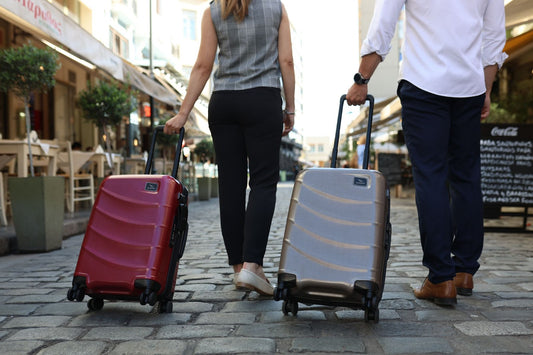
Travel packs also tend to have lockable zippers, compression straps on the outside, and, if they're carry-on-friendly designs, dimensions calibrated to fit in overhead bins. The Tortuga Travel Backpack 40L is a great example of a bag that rides the line between "serious traveler" and "person who refuses to check luggage."
What an Everyday Backpack Actually Is

An everyday backpack is a completely different animal. Where travel packs are designed for hauling, everyday packs are designed for speed and organization. You're not carrying clothes for two weeks; you're carrying a laptop, a charger, your lunch, a water bottle, and maybe a gym kit, and you need to find all of it fast.
The everyday carry design philosophy prioritizes quick-access organization over packing capacity. You don't need a packing-cube-friendly clamshell. You need your charger on the left, your notebook on the right, and your keys where you can grab them without taking the whole bag apart in front of your coworkers.
The best everyday backpacks are built with a dedicated, padded laptop compartment that's usually accessible from a back-panel zipper, keeping your most expensive item separated and protected. They're also noticeably lighter when empty, because nobody wants to feel like they're already carrying a bag before they've put anything in it.
The capacity range is intentionally modest. A 20–25L pack is the sweet spot for most people's daily carry, and going bigger than 30L usually just means you end up bringing more stuff you don't need.
The Honest Overlap (and Where People Get Confused)
Here's where things get murky, and where I get the most questions: Can I just use my everyday backpack for travel? Or take my travel pack to the office?
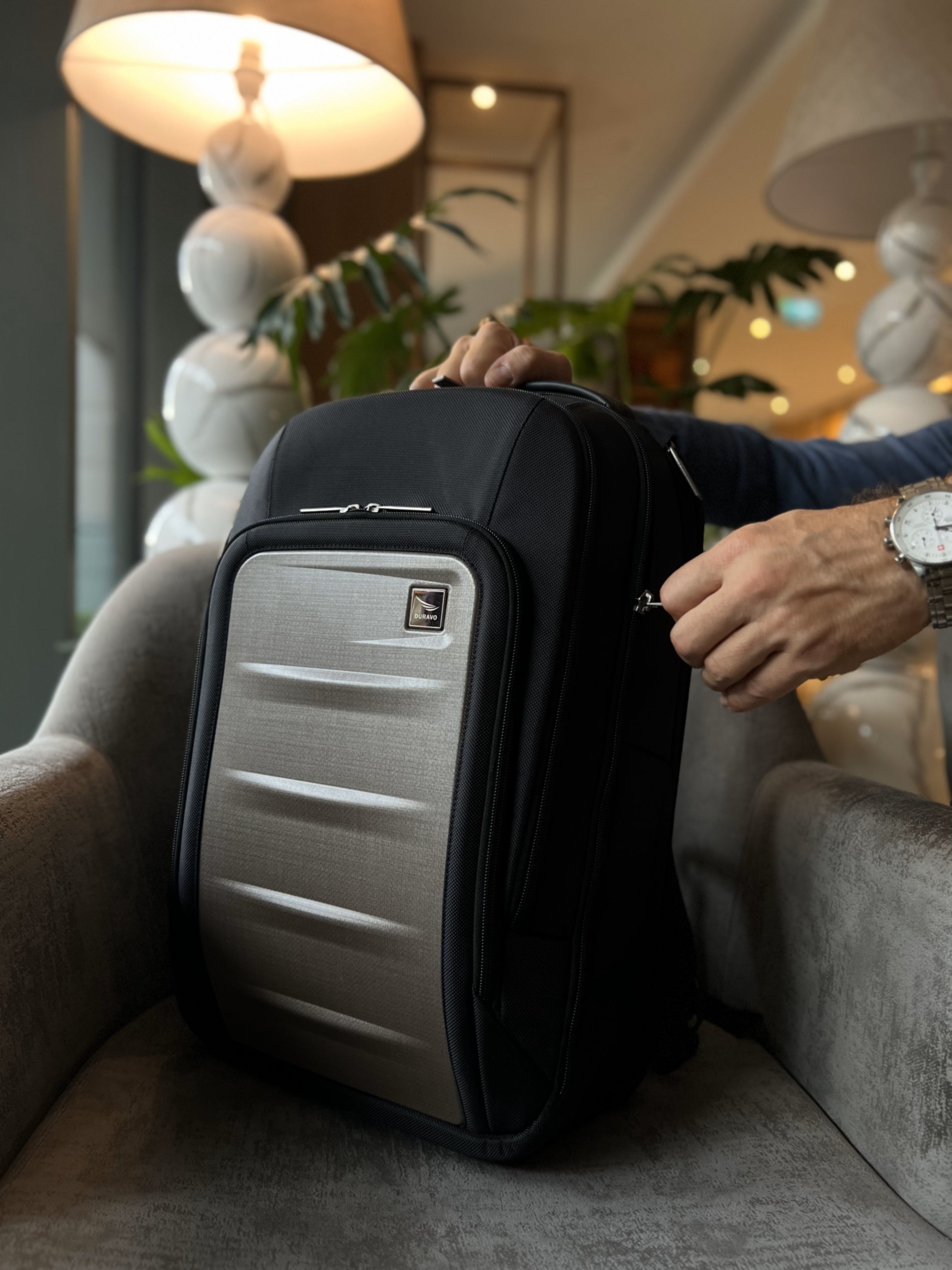
The short answer is yes, with caveats. The Duravo Venture Full Size Laptop Backpack explores this gray area in depth, the category of hybrid travel daypacks that blur the line intentionally. It can be used as an everyday commuter backpack or main backpack or travel pack thanks to its flexible design and thoughtful storage options. It also has a compartment divider to separate things like shoes and clothes, as well as a dedicated laptop sleeve. The 25L bag is on the lighter side for travel but splits the difference well, with decent organization for daily use, and enough capacity and structural support to double as a solid weekend bag.
The Able Carry Daybreaker 2 and F-Stop Dalby are also good examples of bags that live in this middle ground. But this overlap comes with trade-offs: they're usually heavier than a pure everyday pack and more expensive, because engineering for both worlds costs more.

Which One Do You Actually Need?
I tell people to answer three questions before buying anything:
How long are your typical trips? If you travel more than four nights at a stretch a few times a year, a dedicated travel pack pays for itself in convenience alone. If your longest trip is a three-day conference, a quality everyday pack with some trip-friendly features will probably cover you.
What does your day-to-day look like? If you carry a laptop, cables, notebooks, and work gear five days a week, an everyday pack built around that use case will serve you far better than a travel bag pressed into daily service.
How much do you hate checking luggage? This is only partly a joke. Carry-on-only travelers have a very specific need: a bag that fits in an overhead bin, opens like a suitcase, and has TSA-friendly laptop access. That's almost exclusively the territory of purpose-built travel packs in the 35–45L range, like the Duravo Venture Full Size Laptop Backpack.
A Final Word on Spending the Money
Both categories span wildly different price ranges, from $30 fast-fashion packs that fall apart with daily use, to $400 lifetime-warranty bags. My experience has been consistent: in backpacks, you do get what you pay for, but only up to a point. You don't need to spend $350 on a travel pack to get a good one. You do need to spend more than $50 if you expect it to last more than two trips.
The bag you grab every single day, or haul through an airport twice a month, is not a place to cut corners. A bad backpack is a tax on your energy and your mood. The right one disappears because you stop thinking about it entirely, which is exactly the point.